

Markets are signaling towards the potential for 3 rate cuts from now until Spring of 2026. There are meetings September 17, October 29 and December 10th to round out the year.
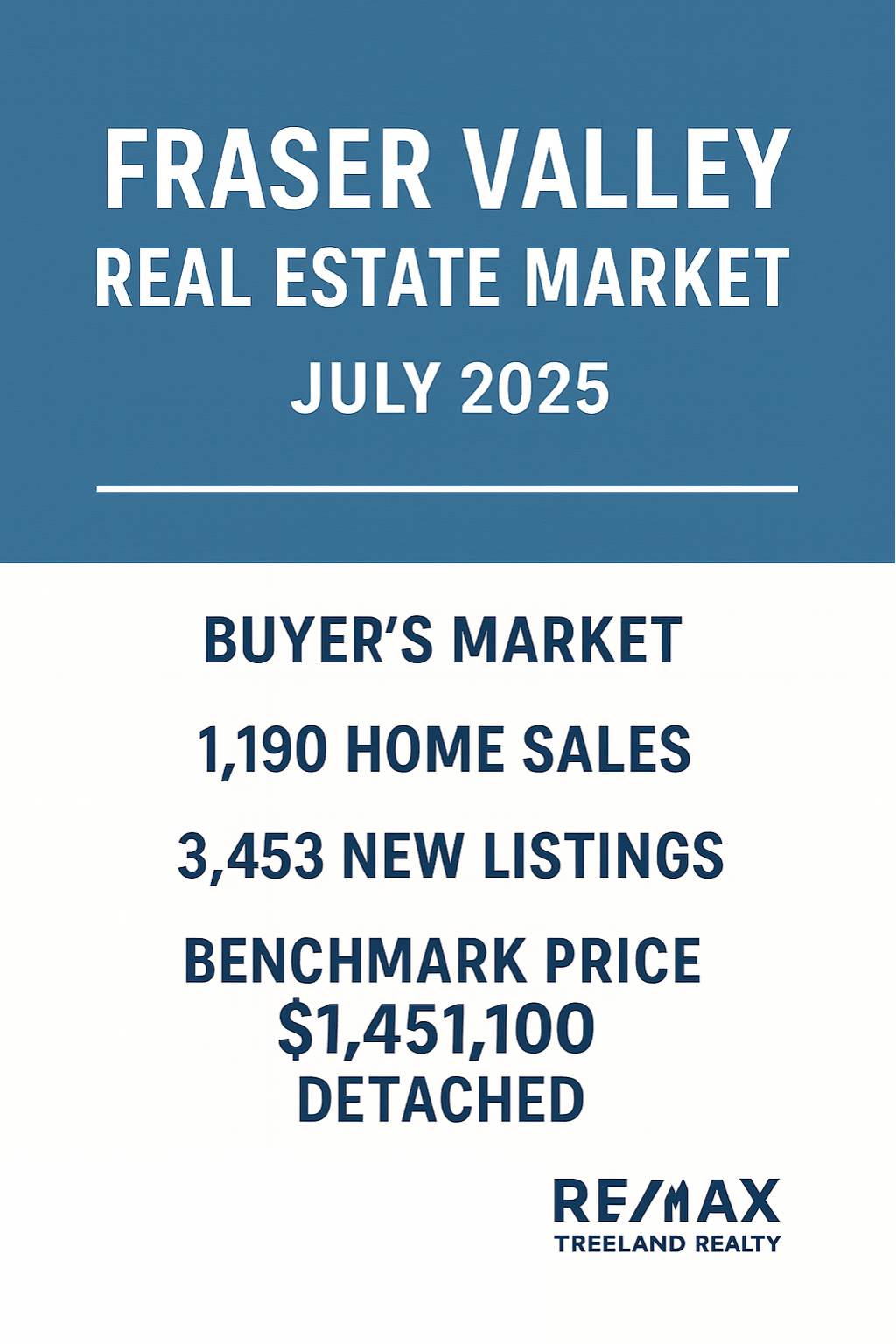
It’s also looking like another flat real estate market as we head into the fall. Usually as families get back into the routine of the school year you begin to see market activity increase as the last flurry of buyers and sellers look to make their move before Christmas. But so far in the first week of September we are trending less sales than both August and September of last year. Although its a bit too early to tell if the fall market will pick up it is safe to say we won’t be seeing any immediate rebound to buyer activity.
With the trade war rhetoric subsiding and potential for 3 interest rate cuts we could see the jolt in the market a lot of prospective sellers are itching for, but how soon remains in question. 3 cuts of 25 basis points would see hundreds of dollars per month in savings for the average mortgage offering real relief in affordability. That combined with some economic blue skies on the horizon could bring sales back to 10 year averages or slightly above, but with years of lagging prices and investors continuing to run for the hills I don’t imagine much, if any, elevation in prices even if we dip our toes into a sellers market.
Here's how the economists predictions are currently shaking out:
BMO is calling for 75bp in rate cuts before Spring 2026
RBC view: More cautious—recent reports suggests limited additional easing and even the possibility of holding at 2.75% through 2026
TD Economics sees two more 25 bp cuts in 2025, lowering the policy rate from 2.75% to ~2.25%.
Scotiabank is more cautious; in some forecasts they expect cuts, but delayed or smaller than others expect. They warn that uncertainty (tariffs, global conditions) could continue to push back cuts




.png)
.png)

 The data relating to real estate on this website comes in part from the MLS® Reciprocity program of either the Greater Vancouver REALTORS® (GVR), the Fraser Valley Real Estate Board (FVREB) or the Chilliwack and District Real Estate Board (CADREB). Real estate listings held by participating real estate firms are marked with the MLS® logo and detailed information about the listing includes the name of the listing agent. This representation is based in whole or part on data generated by either the GVR, the FVREB or the CADREB which assumes no responsibility for its accuracy. The materials contained on this page may not be reproduced without the express written consent of either the GVR, the FVREB or the CADREB.